Gujarati · Ceremony · Guide · Updated 5 May 2026
The complete Gujarati wedding ceremony guide
A Gujarati wedding runs on a rhythm you cannot rush. This guide covers the full ceremony sequence, what each ritual means, how long each takes, and the photography and planning choices that either honour the moment or ruin it.
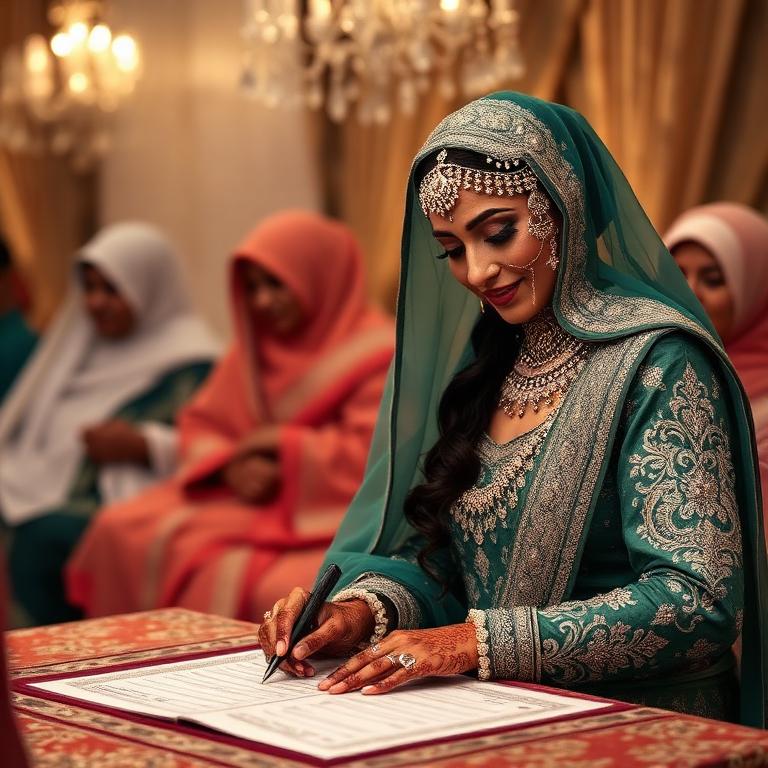
Ritual order
A Gujarati wedding traditionally runs across 2–4 days with these anchor rituals: Garba, Grah Shanti, Ponkvu, Pheras. Each has a specific meaning — miss the order and the family notices immediately.
The single most important moment to preserve is the mother's Ponkvu blessing at the door.
Attire and styling
Traditional attire: panetar and gharchola, sherwani with safa. Jewellery follows the culture — heavy for Punjabi and Gujarati, temple gold for South Indian, minimal and elegant for Malayali.
Music and soundscape
The soundscape of a Gujarati wedding is garba beats, dandiya, dhol. Live musicians for the ceremony, DJ for the reception — never blend them.
Photography moments not to miss
Garba, Grah Shanti, Ponkvu, Pheras — every one of these is a portrait moment. The mother's Ponkvu blessing at the door is the frame that goes in the family album for generations.
Frequently asked
How long does a Gujarati ceremony take?
The main ceremony runs 90 minutes to 3 hours. Full sequence across 2–4 days.
Can non-Gujarati guests participate?
Yes — brief them on shoes off, no meat/alcohol in temple/gurdwara/mosque areas, and dress modestly.