Hiring · Guide · Updated 18 June 2026
How to choose a South Asian wedding photographer you'll actually trust for three days straight
Choosing a wedding photographer is hard. Choosing one for a South Asian wedding is a different job entirely — you're hiring someone to move through three to seven ceremonies, brief hundreds of guests, and know when to disappear during a private Ardas. Here's the framework we give every couple on our directory. Beyond the surface question of "how much" or "which one", the deeper question is how a decision on how to choose south asian wedding photographer interacts with the rest of your wedding — the guest experience, the family dynamics, the memory the day leaves behind. This guide is written to hold both registers at once: the practical numbers you came for, and the wider context you did not know to ask about.
Portfolio red flags
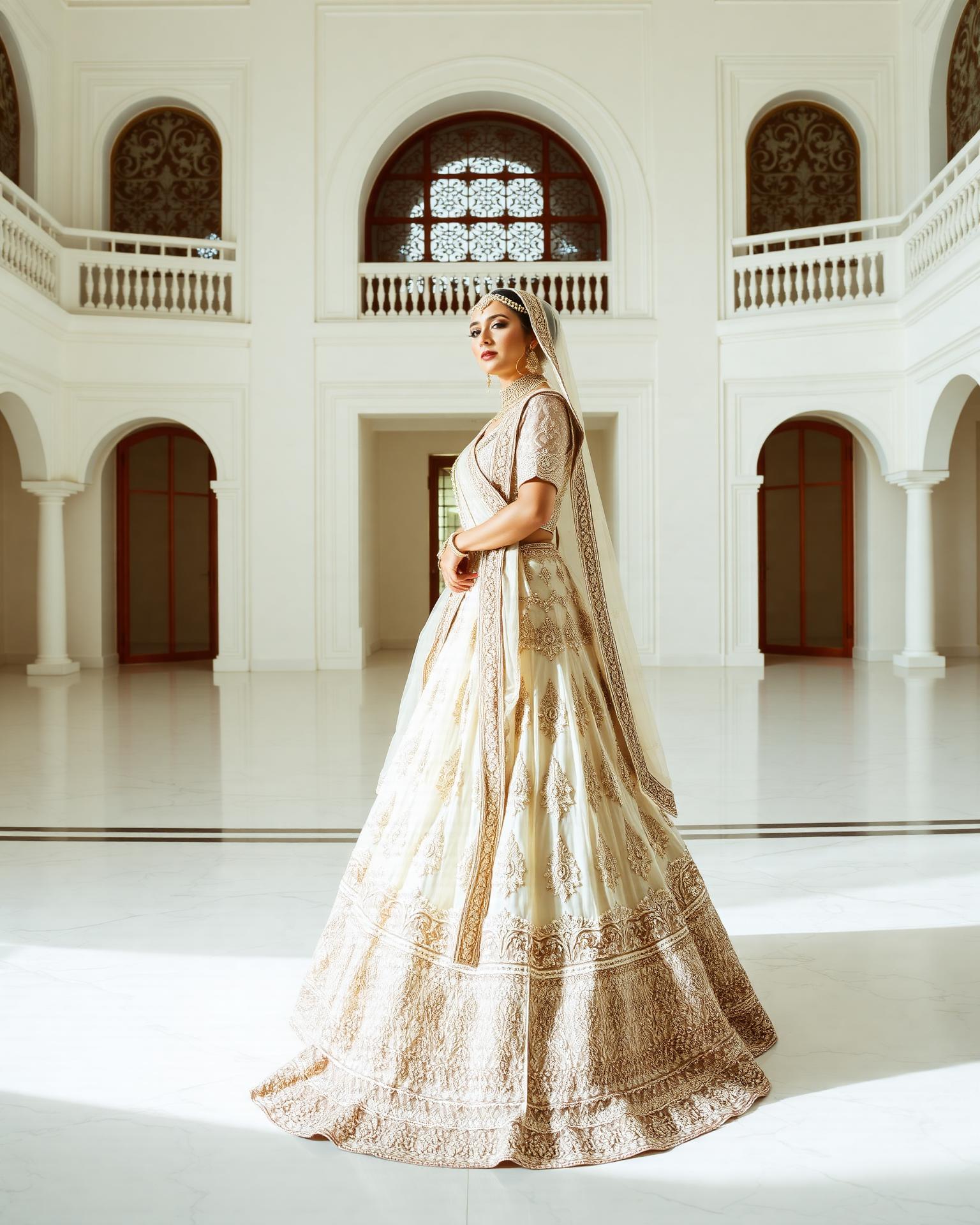
Only highlight-reel edits, no full albums. Every wedding looks identical. No candid Haldi or Vidaai frames. Only reception shots on Instagram. All of these mean the photographer edits for aesthetics but doesn't hold moments across a full day.
The nine questions to ask
Which of your team shoots my wedding? How many South Asian weddings have you personally shot this year? Which ceremonies do you know the ritual sequence of? Can I speak to two couples you shot in the last 6 months? What's your delivery timeline in writing? What happens if you fall ill? What's your policy on raw files? What's your overtime rate? What's your reshoot policy?
How to test cultural fluency
Ask them to walk you through your ceremony sequence. A specialist can name the moments in order. A generalist will hedge with 'we'll follow your lead' — which sounds humble but means they'll miss cues.
What a strong contract looks like
Named lead photographer. Named second shooter. Total hours across all days. Delivery dates for previews, full gallery, and film. Album spec. Reshoot clause. Cancellation ladder. Travel and accommodation responsibilities. Overtime rate. Model release. Copyright.
The wider context you should hold in mind
Before you compare quotes or pick a vendor, place how to choose south asian wedding photographer in its wider planning arc. A South Asian wedding is rarely a single event — it is a sequence of ceremonies stretched across three to five days, with different guest lists, dress codes, decor palettes and emotional registers on each day. Whatever you decide about how to choose south asian wedding photographer rolls forward into every subsequent decision, so the cost of an early mistake compounds.
Families who plan well spend the first week of research understanding the landscape, not writing shortlists. They read three or four honest guides, talk to two friends who married in the past 24 months, and only then start requesting quotes. That sequencing produces better negotiating position, sharper questions, and a shortlist that is already filtered to genuinely suitable candidates.
The rest of this guide assumes you want to be that couple — informed, calm, and difficult to upsell. Everything below is written with that reader in mind.
What hiring decisions look like when they go right
A well-made how to choose south asian wedding photographer decision does three things at once: it fits the budget, it honours the culture, and it removes anxiety from the couple on the wedding morning. If any one of those three is missing, the decision was optimised for the wrong thing.
Fit-the-budget is obvious. Honours-the-culture means the vendor already knows what timeline looks like on the day, without a brief. Removes-anxiety means the couple stops thinking about this line item after signing the contract — no follow-up calls, no last-minute changes, no surprise invoices.
- Verifies timeline without prompting
- Understands vendor stack at the depth your family requires
- Has recent (past 12 months) references you can actually call
- Writes guest flow into the contract in plain English
- Includes family logistics or explains transparently why not
The five most common mistakes couples make
Ninety per cent of the regret we hear about how to choose south asian wedding photographer traces back to one of five errors — and every one of them is avoidable with the checklist below.
- Choosing on Instagram aesthetics alone, without asking about vendor stack.
- Signing the first quote that fits budget without shortlisting three.
- Skipping the reference call — always ask for two names from weddings in the past 12 months.
- Failing to lock guest flow in writing before paying the deposit.
- Underestimating how many family members will weigh in on the decision — brief everyone once, not repeatedly.
The exact questions to ask before signing
Every question below has caught out at least one couple in our archive. Print this list, take it into the meeting, and do not sign without written answers.
- Who exactly delivers on the day — name and role?
- What happens if you fall ill or your equipment fails?
- What is the backup plan, and is the backup named in the contract?
- What is the delivery timeline, and what is the penalty if it slips?
- What is included in the base price, and what is billed as an extra?
- What is the cancellation policy, and is the deposit refundable at any point?
- Can we speak to two clients from the past 12 months?
- Are you insured, and can we see the certificate?
How to structure the payment and contract
A well-structured contract protects both sides and, more importantly, removes ambiguity on the wedding morning. The industry standard is a 25–33% deposit on signing, an interim payment 60–90 days out, and the balance 14–30 days before the first event.
Never pay 100% upfront. Never pay in cash without a receipt. Never sign a contract that does not name the specific person or crew delivering on the day. If a vendor pushes back on any of these, walk.
- Deposit: 25–33% on signing.
- Interim: 30–40% at the 90-day mark.
- Balance: 30–45% due 14–30 days before the first event.
- Overtime, travel and add-ons: itemised in advance, not billed after.
- Cancellation ladder: what refund applies at 12 / 6 / 3 / 1 months out.
Where to find shortlist candidates you can actually trust
The best route is a warm referral from a couple whose wedding you attended in the past 24 months. Failing that, the community-specific channels — WhatsApp groups, gurdwara/temple/mosque noticeboards, and the closed Facebook groups run by local aunties — outperform any generic directory.
Search engines will bring you here; but the final shortlist should always include at least one candidate who came via a personal introduction. That mix filters for both craft and cultural fluency.
A realistic timeline for making the decision
From opening research to signed contract, allow four to six weeks. Rushing this stage is where most overpayment happens.
- Week 1 — read three or four honest guides, define non-negotiables.
- Week 2 — request quotes from five to seven candidates.
- Week 3 — shortlist three, book calls, ask the questions above.
- Week 4 — reference calls, contract review, negotiate line items.
- Weeks 5–6 — sign, pay deposit, calendar the interim payment date.
A note on cultural fluency (the single non-negotiable)
Whatever the specific service, cultural fluency separates the vendors who serve you from the vendors who process you. A photographer who has never seen a Milni will treat it as a handshake; a caterer who has never served a satvik meal will offer paneer as the "vegetarian option"; a planner who has never seen a Vidaai will schedule a first dance ten minutes later.
Ask candidates to describe a specific ritual from your ceremony in their own words. If they hesitate, or default to generic language, they are not fluent — regardless of what the marketing suggests.
Frequently asked
How far in advance should I book?
Top South Asian photographers book 12–18 months in advance for peak season (October–February in India, May–September in UK/US).
Should I hire local or fly in a photographer?
For destination weddings in India, a photographer who understands Indian weddings but is based in your city often beats a local unknown. Cultural fluency > geographic proximity.
When should I start researching how to choose south asian wedding photographer?
The moment you have a wedding date. The best vendors book 12–18 months in advance for peak-season Saturday dates, and even off-peak signings comfortably close 6–9 months out.
How do I know a quote is fair for how to choose south asian wedding photographer?
A fair quote sits inside the mid 60% of the range in this guide, itemises every line item you were told about, and does not surprise you with add-ons discovered mid-planning. Any outlier — 40% below the range or 40% above — needs to be interrogated, not accepted.
Is it worth negotiating?
Yes, but negotiate structure, not headline price. Ask for extra hours, a second shooter, a print credit, a same-day edit, or delivery upgrades — vendors have flex on inclusions long before they discount the base rate.
What happens if we cancel?
That depends on when. Most contracts retain the deposit at any cancellation, add 25–50% within 6 months, and 100% within 6–8 weeks. Read the cancellation ladder before signing, not after.
Should we prioritise price or reputation?
Reputation, without exception. A wedding is a one-shot event — a bad ceremony vendor cannot be redone. The 10–20% you might save by choosing on price is not worth the risk when compared to a vendor with 50+ recent weddings under their belt.
What if our shortlist is fully booked?
Ask each candidate for two names they respect at the same level. Vendors within the same tier refer generously to each other when double-booked, and those referrals often produce a better shortlist than a fresh search.
How many candidates should we meet?
Three is the right number. One is a gamble, two is a comparison, three is a decision. Beyond three you start second-guessing rather than converging.
Do we need to involve extended family?
Yes — but on your terms. Brief the two or three people whose opinions matter most (usually mothers and one senior aunt), get their input once, then close the loop. Rolling consultation with every uncle is where months of planning disappear.